Polar Tint Franchise
813-399-3500 Request Info

Territory · FL

How to Own a Florida Window Tint Franchise in 2026 — Polar Tint franchise in Florida

How to Own a Florida Window Tint Franchise in 2026

Open for award 85 metros open 446 submarkets mapped

Tampa, Miami, Orlando, Jacksonville, and St. Petersburg territories are open for award — explore the mapped Florida markets below.

  • SBA Franchise Directory listed (not an SBA endorsement)
  • IFA member
  • SEMA member
  • 25% veteran & first-responder discount
Apply for FL Run the numbers

Florida service areas

Major cities in Florida.

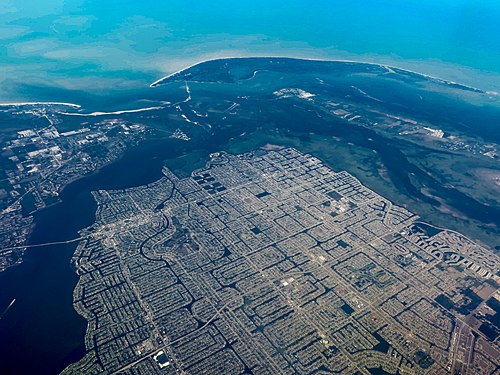
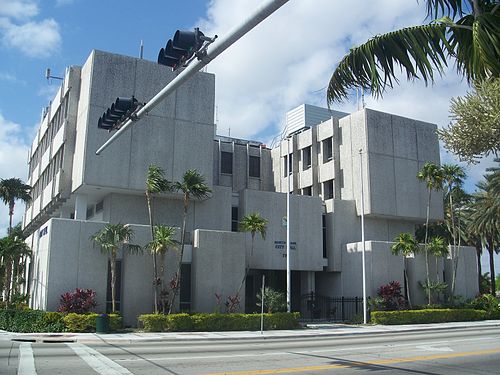
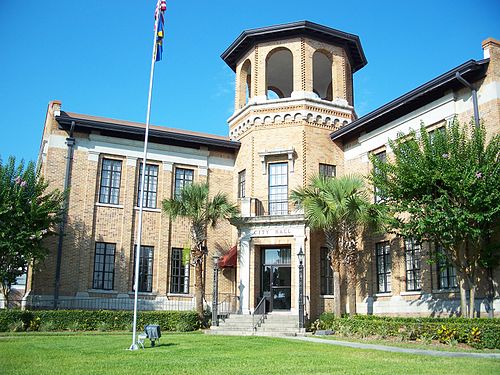
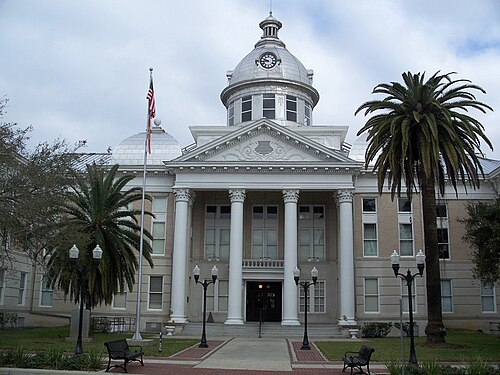
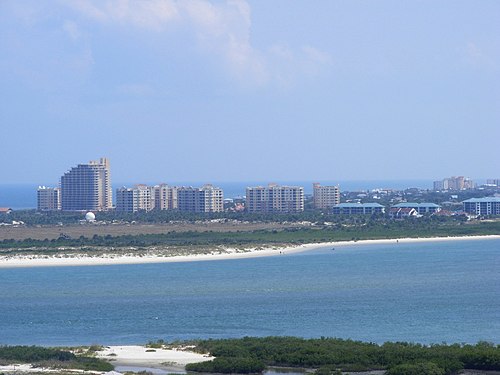
Explore Polar Tint franchise opportunities across Florida's major metros. We serve these markets and their surrounding submarkets.

Photo credits

City photos via Wikimedia Commons:

Why consider Polar Tint

Six service lines from one shop.

Polar Tint was built by operators around one shop that runs six service lines. To compare franchises, read each one’s FDD Item 7 side by side.

The investment, disclosed

Total initial investment of $136,588–$259,950 (FDD Item 7), including the initial franchise fee and about three months of additional funds. A franchisee must offer all six service lines (FDD Item 16) from a shop with one bay or more.

Veteran discount, SBA listing & training

25% off the initial franchise fee for honorably discharged veterans and first responders (FDD Item 5). Polar Tint is listed on the SBA Franchise Directory (the listing is not an SBA endorsement), so qualified buyers can apply for SBA 7(a) financing through a lender. Polar Tint does not provide financing (FDD Item 10). And hands-on training before you open.

FL territory inquiry

Request info for your market.

  • → Territory availability for your exact zip code
  • → The FDD Item 7 investment breakdown
  • → Financing paths — SBA 7(a), ROBS, conventional
  • → The conversion path if you already run a shop

By providing your phone number, you consent to calls/texts from Polar Tint Franchise, including by autodialer. Msg & data rates may apply. Reply STOP to opt out.

Ready now? Apply for FL →

Apply for FL Call

Quick answer

What does a Polar Tint franchise in Florida involve?

A Polar Tint franchise in Florida is a window film, ceramic coating, and paint protection (PPF) shop that can run from one bay or more, depending on your market. One owner runs six service lines from it. You get a Designated Territory that is protected but not exclusive (FDD Item 12) and hands-on training. Polar Tint is listed on the SBA Franchise Directory (the listing is not an SBA endorsement), so qualified buyers can apply for SBA 7(a) financing through a lender. Polar Tint does not provide financing (FDD Item 10).

It is among the lower-cost ways into the window tint business. The total initial investment is $136,588–$259,950 (FDD Item 7); compare it with the Item 7 of each brand you are considering. Polar Tint is listed on the SBA Franchise Directory (the listing is not an SBA endorsement), so qualified buyers can apply for SBA 7(a) financing through a lender. Polar Tint does not provide financing (FDD Item 10).

Is it open? Yes. Florida is open for franchise development right now. Polar Tint awards territories to qualified applicants. The application takes under 60 seconds. The development team replies within one business day.

  • 📊 Total initial investment: $136,588–$259,950 (FDD Item 7, 2026 FDD)
  • 🪙 Initial franchise fee: disclosed in FDD Item 5 (with a reduced fee for converting an existing tint shop)
  • 🔁 Royalty: a percentage of gross sales, paid weekly (FDD Item 6)
  • 📅 Initial term: 5 years (2026 FDD)
  • 🇺🇸 Veteran / first-responder discount: 25% off the initial franchise fee
  • 📍 Metros open in Florida: Tampa, Miami, Orlando, Jacksonville, St. Petersburg, Naples, Sarasota, Palm Beach, Daytona / Volusia, Fort Myers, and 75 more

Polar Tint is a national window film, ceramic coating, and PPF franchise. See the national window tint franchise overview — the model, the six service lines, and how Designated Territories are awarded. Comparing brands? See how Polar Tint ranks among the best window tint franchises and the full window tint franchise cost breakdown.

State compliance

Florida — what the state requires.

File state

One-page application required with signature (no FDD).

The network behind the award

A running system, not a concept.

Polar Tint is operator-built. It is built on affiliate Las Vegas tint shops that have operated since 2015 (as Pro Tint USA). A Florida franchisee would open with the same playbook, suppliers, and install standards.

Affiliated manufacturer Glacier Manufacturing is under common ownership with Polar Tint’s principals. Franchisees buy window film, application tools and other designated shop items from affiliated manufacturer Glacier Manufacturing, currently the exclusive supplier of those items under FDD Item 8. Qualified buyers can request the current Franchise Disclosure Document. It covers outlets, obligations, and all.

Still reading? Florida territories are open for award. The development team can tell you about yours specifically.

Request info

A franchise offer is only ever made through a Franchise Disclosure Document.

How territories work

How does a Polar Tint territory work in Florida?

How big is the territory?

Each award is a Designated Territory mapped around your shop. FDD Item 12 describes the typical size: a population cap or a radius cap, whichever is smaller. So the math fits the market:

  • Dense Florida metros get a more compact zone.
  • Suburban and rural markets get a larger one.
  • Boundaries are set at award and written into your franchise agreement.
  • The Designated Territory is protected, not exclusive (FDD Item 12), and protection applies during the term while you are not in default.

Will another Polar Tint shop open next to mine?

Not inside your territory, with limits. While your franchise agreement is in effect and you are not in default, Polar Tint will not open a Polar Tint franchise inside your Designated Territory. It will not let another franchisee open one there either (FDD Item 12). The territory is not exclusive. Polar Tint can still award franchises at non-traditional sites inside it, such as airports, hotels, and college campuses. Shops can also open anywhere outside your boundary.

Can I open more Florida locations later?

Possibly, with a new agreement and Polar Tint's approval. Your franchise agreement covers one Designated Territory. It grants no option or right of first refusal on more franchises (FDD Item 12). Each added Florida shop needs its own franchise agreement, signed on its own or under a Multi-Unit Development Agreement. You also need to meet Polar Tint's then-current site, territory, and franchisee requirements.

Window tint law

What are the window tint laws in Florida?

Florida regulates aftermarket window film under Fla. Stat. §§ 316.2951–316.2957. Under § 316.2953, sunscreening material on the side wings and side windows forward of or next to the driver's seat is allowed only if, tested on that vehicle's glass, it lets through at least 28% of visible light and has a total solar reflectance of visible light no greater than 25%, measured on the nonfilm side.

This one limit applies to every vehicle type. Under § 316.2954, film on the windows behind the driver, including the rear window, must let through at least 15% of visible light with reflectance no greater than 35%. The exception is multipurpose passenger vehicles, which may use film letting through at least 6% of visible light under the same 35% reflectance limit.

Section 316.2951(2) defines these as motor vehicles designed to carry 10 or fewer persons and built either on a truck chassis or with special features for occasional off-road operation. A vehicle whose rear window is made nontransparent must have side mirrors on both sides that meet § 316.294.

On the windshield, § 316.2952(2)(b) allows only a transparent sunscreening strip along the top that does not encroach on the AS-1 portion defined in Federal Motor Vehicle Safety Standard No. 205. Florida sets no percentage for the windshield. Every percentage measurement under §§ 316.2951–316.2954 has a tolerance of plus or minus 3% under § 316.2955(2).

Under § 316.29545, the Florida Department of Highway Safety and Motor Vehicles issues medical exemption certificates to people with lupus, any autoimmune disease, or other medical conditions that require limited exposure to light. Each certificate names a specific vehicle, cannot be transferred, and becomes void when that vehicle is sold or transferred.

A plain-language summary of the statute text, checked against the source in September 2026. Tint law is amended from time to time and enforcement varies; confirm the current statute before quoting a customer. This is general information, not legal advice.

Every Polar Tint territory

Explore window tint franchise territories in every state:

See the full territory map →

Polar Tint Franchise in Florida — what you need to know

Quick answer: Polar Tint is awarding window film, ceramic coating, and paint protection (PPF) franchise territories in Florida.

The total initial investment is disclosed in FDD Item 7; compare it with the Item 7 of each brand you are considering. A franchisee must offer all six service lines (FDD Item 16) from a shop with one bay or more, typically 2,000–2,500 sq ft (FDD Item 7).

The franchise fee and the weekly royalty are disclosed in the current FDD (Items 5 and 6). Polar Tint is listed on the SBA Franchise Directory (the listing is not an SBA endorsement), so qualified buyers can apply for SBA 7(a) financing through a lender. Polar Tint does not provide financing (FDD Item 10).

Does Florida require a state filing?

One-page application required with signature (no FDD).

Which Florida metros is Polar Tint awarding in?

Florida has 85 metros listed below. Each award is a Designated Territory mapped around the shop. FDD Item 12 sets its size, using a population cap and a radius cap, whichever is smaller. The boundary is written into the franchise agreement from day one.

  • Tampa — submarkets include St. Petersburg, Clearwater, Brandon, Wesley Chapel, Lakeland, Riverview, New Tampa, Westchase, Carrollwood, Town 'N' Country, Lutz, Land O' Lakes, Plant City, Apollo Beach, Sun City Center, Valrico, Temple Terrace, Citrus Park.
  • Miami — submarkets include Coral Gables, Doral, Hialeah, Pinecrest, Aventura, Plantation, Pembroke Pines, Coral Springs, Fort Lauderdale, Boca Raton, Hollywood, Sunrise, Davie, Weston, Miramar, Cooper City, Kendall, Homestead, Cutler Bay, Palmetto Bay, Miami Beach, Bal Harbour, Surfside.
  • Orlando — submarkets include Winter Park, Kissimmee, Lake Mary, Sanford, Apopka, Altamonte Springs, Maitland, Oviedo, Winter Garden, Clermont, Ocoee, Lake Nona, Dr. Phillips, Windermere, Celebration, Hunters Creek, Casselberry.
  • Jacksonville — submarkets include Atlantic Beach, Jacksonville Beach, Ponte Vedra, Orange Park, Fernandina Beach, St. Augustine, Neptune Beach, World Golf Village, St. Johns, Nocatee, Yulee, Fleming Island.
  • St. Petersburg — submarkets include Clearwater, Largo, Pinellas Park, Seminole, St. Pete Beach, Treasure Island, Madeira Beach, Gulfport, Tierra Verde, Tarpon Springs, Palm Harbor, Dunedin, Safety Harbor.
  • Naples — submarkets include Marco Island, Bonita Springs, Estero, Cape Coral, Fort Myers, Sanibel, Lehigh Acres, Punta Gorda, Port Charlotte, North Port.
  • Sarasota — submarkets include Bradenton, Lakewood Ranch, Venice, Osprey, Nokomis, Siesta Key, Longboat Key, Palmetto, Parrish.
  • Palm Beach — submarkets include Wellington, Jupiter, Palm Beach Gardens, Lake Worth, Delray Beach, Boynton Beach, Royal Palm Beach, Greenacres, West Palm Beach, Tequesta.
  • Daytona / Volusia — submarkets include Daytona Beach, Ormond Beach, Port Orange, New Smyrna Beach, Deltona, DeBary, DeLand, Edgewater, Holly Hill.
  • Fort Myers — submarkets include Dean Park Historic Residential District, Edison Park, Seminole Park, Downtown Fort Myers / River District, McGregor Boulevard corridor.
  • Cape Coral — submarkets include Fort Myers, North Fort Myers, Matlacha, Pine Island.
  • Lakeland — submarkets include Munn Park Historic District, Dixieland Historic District, South Lake Morton Historic District, East Lake Morton Residential District, Beacon Hill-Alta Vista Residential District, Lake Hunter Terrace Historic District.
  • Daytona Beach — submarkets include Seabreeze, Daytona Beach Surfside Historic District, South Beach Street Historic District, Midtown, Southwest Daytona Beach Black Heritage District.
  • Pensacola — submarkets include East Hill, North Hill, Belmont-DeVilliers, Seville Historic District, Sanders Beach.
  • Port St. Lucie — submarkets include Tradition, St. Lucie West, Torino, Sandpiper Bay.
  • Ocala — submarkets include Downtown Ocala, Ocala Historic District, Tuscawilla Park, West Ocala.
  • Gainesville — submarkets include Duckpond, Pleasant Street, Porters, College Park, University Heights, Downtown Gainesville.
  • Pembroke Pines — submarkets include Chapel Trail, Silver Lakes, Pembroke Falls, Pembroke Isles, Towngate, Spring Valley.
  • Hollywood — submarkets include Hollywood Lakes, Hollywood Hills, Emerald Hills, Downtown Hollywood, Hollywood Beach, Liberia.
  • Coral Springs — submarkets include Eagle Trace, Turtle Run, Ramblewood, Maplewood, Forest Hills.
  • Lehigh Acres — submarkets include Mirror Lakes, Westminster, Greenbriar, Town Lakes, Lehigh Estates.
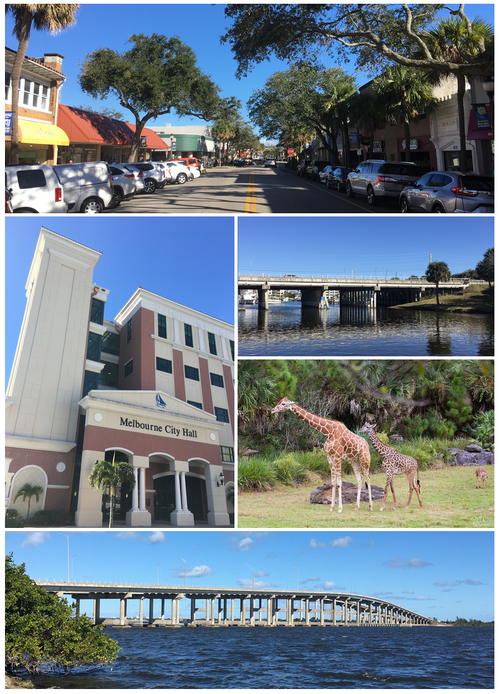
  • Melbourne — submarkets include Eau Gallie, Downtown Melbourne, Crane Creek.
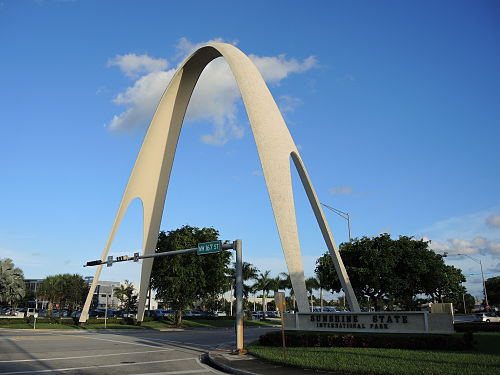
  • Sunrise — submarkets include Sunrise Golf Village, Welleby, Sunrise Lakes, Springtree, Sawgrass International Corporate Park.
  • Palm Coast — submarkets include Palm Harbor, Indian Trails, Pine Lakes, Matanzas Woods, Seminole Woods, Cypress Knoll.
  • Homestead — submarkets include Historic Downtown Homestead, Keys Gate, Waterstone, Malibu Bay.
  • Largo — submarkets include Downtown Largo, Clearwater-Largo Road corridor, Keene Park, Palm Hill, Somerset Lakes.
  • Deerfield Beach — submarkets include The Cove, Century Village East, Deer Creek, Little Harbor, Independence Bay, Starlight Cove.
  • Kendall — submarkets include Dadeland, Downtown Kendall, The Falls, Kings Creek.
  • Port Orange — submarkets include Harbor Oaks, Waters Edge, Cypress Head, Summer Trees.
  • Pine Hills — submarkets include Robinswood, Pine Ridge Estates, Hyland Oaks.
  • Fountainebleau — submarkets include Sweetwater, Doral, Westchester, Flagami, University Park.
  • West Little River — submarkets include Westview, Pinewood, El Portal, Hialeah, Gladeview, Liberty City.
  • Merritt Island — submarkets include Merritt Park Place, Diana Shores, Catalina Isle Estates, Skylark Estates, Merritt Ridge, Hampton Homes, Georgiana, Indianola.
  • Winter Springs — submarkets include Tuscawilla, Oak Forest, The Highlands, The Ranchlands, Winding Hollow.
  • Lauderdale Lakes — submarkets include Oriole Estates, Eastgate, Northgate, Oakland Estates, Westgate, Cypress Chase North.
  • Saint Cloud — submarkets include Historic Downtown St. Cloud, Stevens Plantation, Gramercy Farms, Old Hickory, Hanover Lakes.
  • Egypt Lake-Leto — submarkets include Egypt Lake, Leto, West Park Estates.
  • Cooper City — submarkets include Rock Creek, Embassy Lakes, Monterra, Cooper Colony Estates, Country Address, Timberlake.
  • Ponte Vedra Beach — submarkets include Old Ponte Vedra, Marsh Landing, Sawgrass Players Club, Sawgrass Country Club, The Plantation at Ponte Vedra Beach, Odom's Mill.
  • Riviera Beach — submarkets include Singer Island, Riviera Beach Heights, Monroe Heights, Pleasant Heights, Marina District.
  • Greenacres City — submarkets include Original Section, River Bridge, Nautica Isles.
  • Golden Glades — submarkets include Miami Gardens, North Miami Beach, North Miami, Opa-locka, Miami Shores.
  • Carrollwood — submarkets include Original Carrollwood, Carrollwood Village.
  • Land O' Lakes — submarkets include Lake Padgett Estates, Lake Padgett South, Plantation Palms, Sable Ridge, Dupree Lakes, Sunset Lakes.
  • Clermont — submarkets include Historic Downtown, Kings Ridge, Skytop, Orange Mountain, Lincoln Park.
  • Santa Rosa Beach — submarkets include Dune Allen Beach, Blue Mountain Beach, Grayton Beach, WaterColor, Seagrove Beach, Point Washington.
  • Estero — submarkets include Pelican Sound, West Bay Club, Grandezza, Bella Terra, Rookery Pointe, Stoneybrook.
  • Lakeside — submarkets include Orange Park, Bellair-Meadowbrook Terrace, Fleming Island, Doctors Inlet, Oakleaf Plantation, Middleburg.
  • East Lake — submarkets include East Lake Woodlands, Lansbrook, Ridgemoor, Woodfield, Tarpon Woods.
  • Miami Lakes — submarkets include Loch Lomond, Royal Oaks, Lake Patricia, Lake Hilda, Lake Martha, Miami Lakes Section 1.
  • Navarre — submarkets include Navarre Beach, Holley, Midway, Gulf Breeze, Mary Esther, Milton.
  • Dania Beach — submarkets include City Center, Dania Beach Heights, College Gardens, Sun Garden Isles, Melaleuca Gardens, Davis Isles.
  • Westchester — submarkets include Sweetwater, Fontainebleau, Coral Terrace, Olympia Heights, Westwood Lakes, Tamiami, University Park.
  • Winter Park — submarkets include Hannibal Square, Downtown Winter Park Historic District, Interlachen Avenue Historic District, College Quarter, Virginia Heights East.
  • Parkland — submarkets include Heron Bay, Parkland Golf & Country Club, MiraLago at Parkland, Parkland Isles, Cypress Head, Pine Tree Estates.
  • DeLand — submarkets include Downtown DeLand Historic District, Old Northwest, Garden District, Yemassee, Spring Hill, Victoria Park.
  • Lake Magdalene — submarkets include Carrollwood, Northdale, Lutz, University, Tampa.
  • Ferry Pass — submarkets include Pensacola, Ensley, Brent, Gonzalez.
  • Fruit Cove — submarkets include Julington Creek Plantation, Switzerland, Mandarin, Orangedale.
  • Cutler Ridge — submarkets include Saga Bay, Lakes by the Bay, Whispering Pines, Bel Aire, Franjo.
  • University Park — submarkets include Sweetwater, Tamiami, Fontainebleau, Westchester, Westwood Lakes.
  • Casselberry — submarkets include Queens Mirror, Oxford Square, Legacy Park, Sausalito, Carriage Hill, Lake Kathryn.
  • Fleming Island — submarkets include Eagle Harbor, Fleming Island Plantation, Pace Island, Hibernia, Neilhurst.
  • Meadow Woods — submarkets include Southchase, Taft, Lake Nona, Boggy Creek, Buenaventura Lakes.
  • Temple Terrace — submarkets include Temple Terrace Estates, Riverhills, Woodmont, Raintree Village, Theresa Arbor.
  • Key West — submarkets include Old Town, Bahama Village, New Town, Midtown, Casa Marina, The Meadows.
  • Buenaventura Lakes — submarkets include Kissimmee, Meadow Woods, Lake Nona, St. Cloud, Celebration.
  • Four Corners — submarkets include ChampionsGate, Reunion, Davenport, Loughman, Horizon West, Celebration.
  • Leisure City — submarkets include Modello, Naranja, Princeton, Homestead, Redland, Florida City.
  • Tarpon Springs — submarkets include Greektown, Sponge Docks, Downtown Tarpon Springs, Union Academy, Spring Bayou.
  • Rockledge — submarkets include Barton Avenue Residential District, Rockledge Drive Residential District, Valencia Subdivision Residential District, Levitt Park, Rockledge Country Club Estates, Fairway Estates.
  • Alafaya — submarkets include Waterford Lakes, Avalon Park, Stoneybrook East, Eastwood.
  • Town 'n' Country — submarkets include Bay Crest Park, Countryway, Rocky Creek, Sweetwater Creek.
  • Doral — submarkets include Downtown Doral, Midtown Doral, Doral Isles, Doral Park, Doral Estates, Costa del Sol.
  • Boynton Beach — submarkets include Heart of Boynton, Leisureville, Chapel Hill, Hunters Run, Renaissance Commons.
  • Lauderhill — submarkets include Inverrary, Central Lauderhill, West Ken-Lark, Broward Estates.
  • Riverview — submarkets include Panther Trace, Summerfield, Rivercrest, South Fork, Winthrop, Triple Creek.
  • Weston — submarkets include Bonaventure, Weston Hills, Savanna, The Ridges, Windmill Ranch Estates, Emerald Estates.
  • Delray Beach — submarkets include Pineapple Grove, Osceola Park, Lake Ida, Del-Ida Park, Seagate, Tropic Isle.
  • Tamarac — submarkets include The Woodlands, Woodmont, Kings Point, The Mainlands, Westwood, Tamarac Lakes.
  • Wellington — submarkets include Binks Forest, Sugar Pond Manor, Greenview Shores, Olympia, Palm Beach Polo.
  • Jupiter — submarkets include Abacoa, Admirals Cove, Jonathan's Landing, The Bluffs.
  • Carol City — submarkets include Andover, Bunche Park, Lake Lucerne, Norland, Scott Lake.
  • North Port — submarkets include Wellen Park, Warm Mineral Springs, North Port Estates, Heron Creek, Sabal Trace, Bobcat Trail.
  • North Miami — submarkets include Keystone Point, Sans Souci Estates, Sunkist Grove, Downtown North Miami.

How much of Florida does a shop cover?

Each shop serves a Designated Territory set at award under FDD Item 12. Apply with your zip code and the development team confirms fit within one business day.

What does a Polar Tint franchise in Florida include?

  • Defined supply terms. Required purchases and approved suppliers, including affiliated manufacturer Glacier Manufacturing, are disclosed in FDD Item 8.
  • Six service lines from one bay or more. One shop offers window tint, PPF, ceramic, commercial film, residential film, and wraps, and a franchisee must offer all approved services (FDD Item 16).
  • SBA Franchise Directory listing. Polar Tint is listed on the SBA Franchise Directory (the listing is not an SBA endorsement), so qualified buyers can apply for SBA 7(a) financing through a lender. Polar Tint does not provide financing (FDD Item 10).
  • Built on affiliate-owned shops. The system grew out of two affiliate-owned Las Vegas-area tint shops operating since 2015 (as Pro Tint USA), which FDD Item 1 describes as similar to the franchise being offered.
  • A Designated Territory. Each Designated Territory is protected but not exclusive: while the franchise agreement is in effect and you are not in default, Polar Tint will not open or franchise another Polar Tint location inside it, subject to the rights Polar Tint reserves (FDD Item 12).

How do I apply for Florida territory?

Polar Tint awards territories to qualified applicants. The application takes under 60 seconds. The development team replies within one business day.

Apply for Florida territory   See the investment components

FAQ

Polar Tint Franchise in Florida — common questions

Is Polar Tint awarding franchises in Florida?

Yes. Florida is currently open for Polar Tint franchise development. Request info at polartintfranchise.com/apply with your specific zip code, and the development team confirms which areas are still open.

Does Polar Tint need a state filing to sell franchises in Florida?

One-page application required with signature (no FDD). Polar Tint is actively awarding territories in Florida.

How many states is Polar Tint currently open in?

Polar Tint is currently awarding franchises in 31 US states. Florida is one of those open states. The complete map is at polartintfranchise.com/territory.

How much does a Polar Tint franchise cost in Florida?

The estimated initial investment in Florida is disclosed in FDD Item 7. That covers the franchise fee, build-out, equipment, opening inventory, training, and about three months of additional funds. Item 7 gives one estimate for every state, based on an affiliate-owned tint business in Nevada. Your actual costs in Florida may differ from that estimate.

Reasons include local rent, labor, construction, and licensing costs, state building codes, and the approved location you select. The other factors are listed in FDD Item 7, Notes 5 and 12.

What is the franchise fee for a Florida Polar Tint shop?

The initial franchise fee for a new Florida shop is disclosed in FDD Item 5. If you currently own an auto tint shop and Polar Tint grants you the right to convert it, you pay a reduced initial franchise fee (FDD Item 5; Franchise Agreement §5.1). Honorably discharged veterans and first responders receive 25% off the initial franchise fee (FDD Item 5).

Is the SBA-loan path available for Florida franchisees?

Yes. Polar Tint is listed on the SBA Franchise Directory (the listing is not an SBA endorsement), so qualified buyers can apply for SBA 7(a) financing through a lender. Polar Tint does not provide financing (FDD Item 10). Borrower eligibility, approval, terms, and timing are determined by the SBA and your lender, not by Polar Tint. Polar Tint does not offer or guarantee financing (FDD Item 10).

What's the royalty and ongoing fees for a Florida Polar Tint shop?

The royalty is charged weekly on gross sales via ACH. A Brand Marketing Fund Contribution also applies; Polar Tint administers the fund (FDD Items 6 and 11). So does a flat monthly technology fee, which covers the website, marketing portal, Google Workspace, accounting, and plotter software. A local-marketing minimum set in FDD Item 6 applies too. All recurring fees apply uniformly across states, including Florida. Exact figures are disclosed in FDD Items 5 and 6.

How long is the franchise term in Florida?

The term length and renewal requirements are set out in FDD Item 17; the term is renewable only if you meet Polar Tint's conditions for renewal.

Which Florida metros is Polar Tint focused on?

Polar Tint is currently awarding territories in 85 Florida metros: Tampa, Miami, Orlando, Jacksonville, St. Petersburg, Naples, Sarasota, Palm Beach, Daytona / Volusia, Fort Myers, and 75 more. Each award is a Designated Territory mapped around the shop per FDD Item 12.

What if my preferred Florida city is already taken?

Larger Florida metros can hold more than one Designated Territory. That's because a typical Designated Territory is the lesser of a population count and a radius (FDD Item 12). If a specific area is already awarded, the development team can walk you through other open areas in Tampa, Miami, Orlando, Jacksonville. Polar Tint approves each site and territory against its then-current criteria.

How is a Florida Polar Tint territory defined?

Each Florida award is a Designated Territory mapped around the shop. It is typically sized by the population-and-radius cap in FDD Item 12, the lesser of the two. So denser metros yield more compact zones, while suburban and rural markets yield larger ones. Polar Tint sets the boundaries after your site is approved, which can be after you sign, and records them in Schedule 1 of your franchise agreement.

The territory is not exclusive. While you are not in default, Polar Tint will not open or franchise another Polar Tint location inside it, subject to the rights it reserves in FDD Item 12.

Can I operate multiple Polar Tint locations in Florida?

Yes, with Polar Tint's approval. Each added shop needs its own franchise agreement. It can be signed on its own or under a Multi-Unit Development Agreement. That agreement sets a development schedule for a defined Development Area and a development fee for each additional unit (FDD Items 5 and 12). A single-unit agreement grants no right of first refusal on additional franchises (FDD Item 12).

What shapes demand for window film and ceramic coating in Florida?

Florida has a humid subtropical climate with strong sun and, along the coast, salt air. Customers there may look to window film for vehicles and homes, and to ceramic coating and PPF to protect paint. The FDD describes the market for Polar Tint's services as the general adult public, including vehicle owners, homeowners, and business owners, and notes that sales can be seasonal in the wintertime depending on your geographic area (FDD Item 1).

What's the typical first-year revenue for a Florida Polar Tint shop?

Polar Tint does not state a typical first-year revenue for any market. Its financial performance representations are disclosed in Item 19 of the current FDD. They cover the two affiliate-owned Las Vegas shops, and your results may differ. The figures appear only in Item 19 of the FDD.

How long does it take to open a Polar Tint shop in Florida?

Opening timelines vary by build-out scope and local permitting. Operator training (65 hours — 40 classroom plus 25 on-the-job, per FDD Item 11) runs alongside build-out. Your development contact can walk through a market-specific estimate.

What's the supplier relationship for Florida franchisees?

Franchisees buy window film, application tools and other designated shop items from affiliated manufacturer Glacier Manufacturing, currently the exclusive supplier of those items under FDD Item 8.

Where does training happen for Florida Polar Tint operators?

Per FDD Item 11, training is delivered at our Henderson, NV HQ, virtually, or another location we designate. The initial program is 65 hours total — 40 classroom hours plus 25 on-the-job hours — over an approximate one-week period. Travel and lodging during any in-person portion are budgeted into FDD Item 7.

What ongoing support does Polar Tint provide Florida franchisees?

Polar Tint's pre-opening, opening, and ongoing support obligations are described in FDD Item 11. Florida operators receive local marketing services through affiliate Frostbite Marketing.

Is there a veteran or first-responder discount for Florida applicants?

Yes. Polar Tint takes 25% off the initial franchise fee disclosed in FDD Item 5. The discount is for honorably discharged US military veterans and first responders. This applies in every state, including Florida. SBA fee relief, if any, is set by the SBA and the lender, not by Polar Tint.

How does Polar Tint compare to other window-tint franchises in Florida?

Polar Tint's model in Florida rests on two structural features. First, six service lines from one bay or more (tint, PPF, ceramic, commercial film, residential film, and wraps), all of which a franchisee must offer (FDD Item 16). Second, a listing on the SBA Franchise Directory (not an SBA endorsement).

Should I just open an independent tint shop in Florida instead of franchising?

It depends on your capital position and how much of the business you want to build yourself. An independent shop skips the initial franchise fee and the ongoing royalty and builds its own brand and systems. A Polar Tint franchisee pays the fees disclosed in FDD Items 5 and 6 and follows the Operations Manual. Compare the full cost of each path with your own accountant; Polar Tint's estimated initial investment is in FDD Item 7.

Can I sell my Florida Polar Tint franchise later?

Yes, subject to Polar Tint LLC approval of the buyer per FDD Item 17 (background check, financial qualification, training completion). A transfer fee applies. Polar Tint maintains a right of first refusal on transfers to outside buyers. Resale value depends on the individual shop's own operating history and the buyer pool at the time of sale.

How do I apply for a Florida Polar Tint franchise?

Request info at polartintfranchise.com/apply with your zip code, capital position, and prior business experience. From there: a discovery call, FDD delivery (you must receive it at least 14 calendar days before you sign a binding agreement with, or make any payment to, Polar Tint or an affiliate), and signing.

Call Apply for territory