

















Polar Tint Franchise in North Carolina — what you need to know
Quick answer: Polar Tint is awarding window film, ceramic coating, and paint protection (PPF) franchise territories in North Carolina.
The total initial investment is disclosed in FDD Item 7; compare it with the Item 7 of each brand you are considering. A franchisee must offer all six service lines (FDD Item 16) from a shop with one bay or more, typically 2,000–2,500 sq ft (FDD Item 7).
The franchise fee and the weekly royalty are disclosed in the current FDD (Items 5 and 6). Polar Tint is listed on the SBA Franchise Directory (the listing is not an SBA endorsement), so qualified buyers can apply for SBA 7(a) financing through a lender. Polar Tint does not provide financing (FDD Item 10).
Does North Carolina require a state filing?
Franchise Filing State. Cover letter, confirmation of no trigger bond, two copies of FDD, and consent to service of process with check. Exemption can be sought if registered trademark.
Which North Carolina metros is Polar Tint awarding in?
North Carolina has 39 metros listed below. Each award is a Designated Territory mapped around the shop. FDD Item 12 sets its size, using a population cap and a radius cap, whichever is smaller. The boundary is written into the franchise agreement from day one.
- Charlotte — submarkets include Concord, Matthews, Mint Hill, Pineville, Huntersville, Cornelius, Davidson, Ballantyne, Indian Trail, Waxhaw, Weddington, Mooresville, Belmont, Gastonia, Kannapolis, Harrisburg, Stallings, Lake Norman.
- Raleigh — submarkets include Cary, Apex, Wake Forest, Garner, Holly Springs, Knightdale, Fuquay-Varina, Morrisville, Rolesville, Zebulon, Clayton, Wendell.
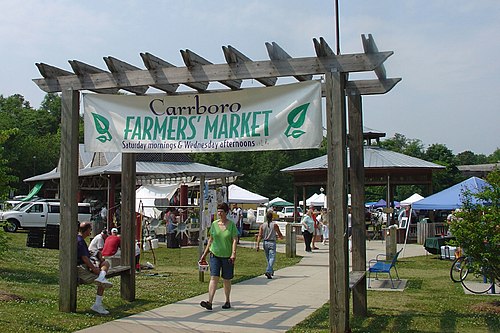
- Durham — submarkets include Chapel Hill, Carrboro, Hillsborough, Research Triangle Park, Bahama, Rougemont.
- Greensboro — submarkets include High Point, Winston-Salem, Kernersville, Burlington, Jamestown, Oak Ridge, Summerfield, Stokesdale, Clemmons, Lewisville.
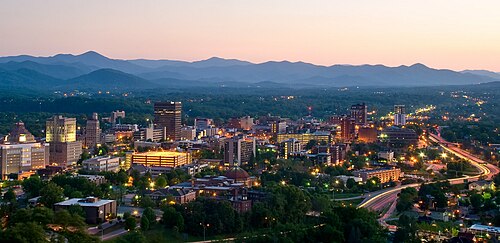
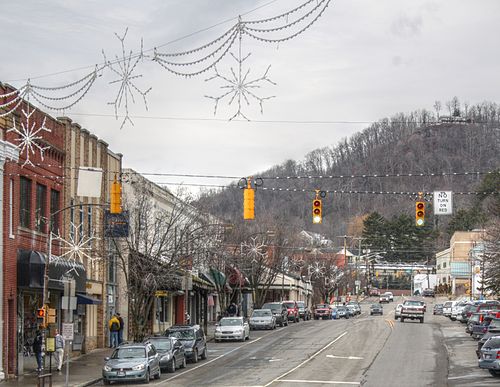
- Asheville — submarkets include Hendersonville, Black Mountain, Weaverville, Arden, Fletcher, Mills River, Brevard, Waynesville, Candler.
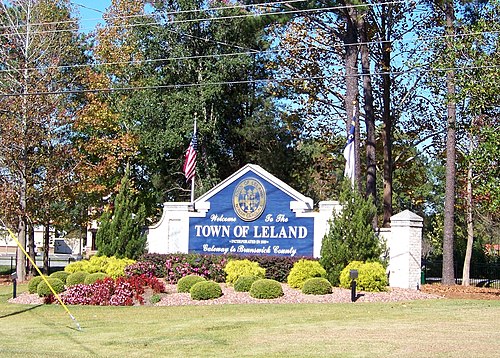
- Wilmington — submarkets include Leland, Wrightsville Beach, Carolina Beach, Kure Beach, Hampstead, Surf City, Southport.
- Winston-Salem — submarkets include Old Salem, Ardmore, West End, Washington Park, West Salem.
- Fayetteville — submarkets include Haymount, Massey Hill, Bonnie Doone, VanStory Hills, Montclair.
- Cary — submarkets include Cary Historic District, Green Level Historic District, Kildaire Farm.
- High Point — submarkets include Uptown Suburbs Historic District, Washington Street Historic District, West High Street Historic District, Oakwood Historic District, Highland Mills.
- Greenville — submarkets include Uptown, Dickinson Avenue District, College View, West Greenville, Tar River University Neighborhood.
- Concord — submarkets include Downtown Concord, Gibson Village, Afton Village, North Union Street Historic District, South Union Street Historic District.
- Gastonia — submarkets include York Chester, Loray Mill Village, Brookwood, Gardner Park, Downtown Gastonia.
- Jacksonville — submarkets include Northwoods, Brynn Marr, Bell Fork, Carolina Forest, Country Club, Downtown Jacksonville.
- Chapel Hill — submarkets include Northside, Meadowmont, Southern Village, Glen Lennox.
- Rocky Mount — submarkets include Villa Place, Edgemont, South Rocky Mount, West Haven, Meadowbrook, Happy Hill.
- Huntersville — submarkets include Birkdale Village, Vermillion, Bryton, Pottstown, Downtown Huntersville.
- Burlington — submarkets include Downtown Burlington, Beverly Hills, West Davis-Fountain Place, East Davis Street, Elmira.
- Wilson — submarkets include East Wilson, Old Wilson, West Nash, Five Points, Downtown Wilson, Glenwood Hills.
- Apex — submarkets include Apex Historic District, Salem Village, Scotts Mill, Haddon Hall, Sweetwater.
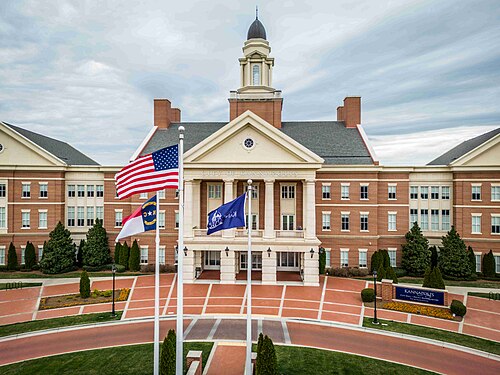
- Kannapolis — submarkets include Downtown Kannapolis, Jackson Park, Royal Oaks.
- Hickory — submarkets include Ridgeview, Kenworth, Oakwood, Green Park, Highland, Forest Hills.
- Wake Forest — submarkets include Downtown Wake Forest, Wake Forest Historic District, Glen Royall Mill Village, Northeast Community.
- Indian Trail — submarkets include Brandon Oaks, Crismark, Taylor Glenn, Fieldstone Farm, Bryson Village, Cherokee Woods.
- Goldsboro — submarkets include Downtown Goldsboro, West Oak, Webbtown, Little Washington.
- Mooresville — submarkets include Downtown Mooresville, Mooresville Mill Village, South Broad Street Row.
- Monroe — submarkets include Downtown Monroe, Winchester, Benton Heights, Monroe Residential Historic District, Waxhaw-Weddington Roads Historic District.
- Salisbury — submarkets include West Square, Brooklyn-South Square, North Main Street, Ellis Street Graded School, Downtown Salisbury, Fulton Heights, East End.
- Matthews — submarkets include Crestdale, Downtown Matthews, Windrow, Springwater, Entertainment District.
- Holly Springs — submarkets include Sunset Ridge, Holly Glen, 12 Oaks, Woodcreek, Arbor Creek, Bridgewater.
- New Bern — submarkets include Downtown New Bern, Riverside, Ghent, Duffyfield, Dryborough, DeGraffenried Park.
- Sanford — submarkets include Downtown Sanford, East Sanford, Hawkins Avenue Historic District, Lee Avenue Historic District, Rosemount–McIver Park, Jonesboro Heights.
- Fort Bragg — submarkets include Old Post, Normandy Heights, Bastogne Gables, Hammond Hills, Corregidor Courts, Anzio Acres.
- Garner — submarkets include Downtown Garner (Downtown Garner Historic District), Forest Hills, Heather Hills, Greenbrier Estates.
- Cornelius — submarkets include Smithville, Downtown Cornelius, Antiquity, The Peninsula, Bailey's Glen.
- Thomasville — submarkets include Thomasville Downtown Historic District, Salem Street Historic District, Randolph Street Historic District, Erwin Heights, Johnsontown, Fair Grove.
- Mint Hill — submarkets include Matthews, Stallings, Indian Trail, Wilgrove, Charlotte.
- Asheboro — submarkets include Downtown Asheboro, East Side, North Asheboro, Balfour.
- Statesville — submarkets include Garfield and Green Streets, Mitchell College District, Academy Hill, East Broad Street–Davie Avenue, South Race Street, Downtown Statesville.
How much of North Carolina does a shop cover?
Each shop serves a Designated Territory set at award under FDD Item 12. Apply with your zip code and the development team confirms fit within one business day.
What does a Polar Tint franchise in North Carolina include?
- Defined supply terms. Required purchases and approved suppliers, including affiliated manufacturer Glacier Manufacturing, are disclosed in FDD Item 8.
- Six service lines from one bay or more. One shop offers window tint, PPF, ceramic, commercial film, residential film, and wraps, and a franchisee must offer all approved services (FDD Item 16).
- SBA Franchise Directory listing. Polar Tint is listed on the SBA Franchise Directory (the listing is not an SBA endorsement), so qualified buyers can apply for SBA 7(a) financing through a lender. Polar Tint does not provide financing (FDD Item 10).
- Built on affiliate-owned shops. The system grew out of two affiliate-owned Las Vegas-area tint shops operating since 2015 (as Pro Tint USA), which FDD Item 1 describes as similar to the franchise being offered.
- A Designated Territory. Each Designated Territory is protected but not exclusive: while the franchise agreement is in effect and you are not in default, Polar Tint will not open or franchise another Polar Tint location inside it, subject to the rights Polar Tint reserves (FDD Item 12).
How do I apply for North Carolina territory?
Polar Tint awards territories to qualified applicants. The application takes under 60 seconds. The development team replies within one business day.
Apply for North Carolina territory See the investment components