
Polar Tint Franchise
813-399-3500 Request Info

Territory · MA

How to Own a Massachusetts Window Tint Franchise in 2026 — Polar Tint franchise in Massachusetts

How to Own a Massachusetts Window Tint Franchise in 2026

Open for award 86 metros open 435 submarkets mapped

Boston, North Shore, South Shore, MetroWest, and Worcester territories are open for award — explore the mapped Massachusetts markets below.

  • SBA Franchise Directory listed (not an SBA endorsement)
  • IFA member
  • SEMA member
  • 25% veteran & first-responder discount
Apply for MA Run the numbers

Massachusetts service areas

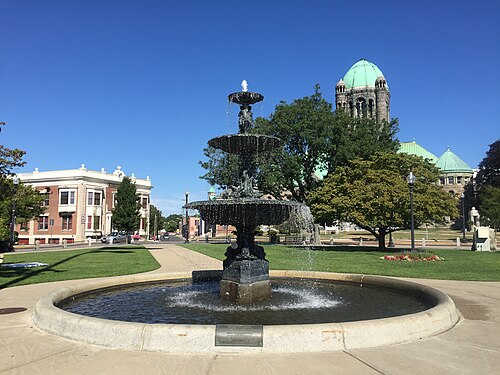
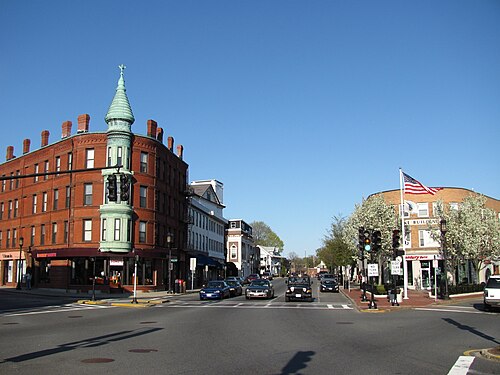
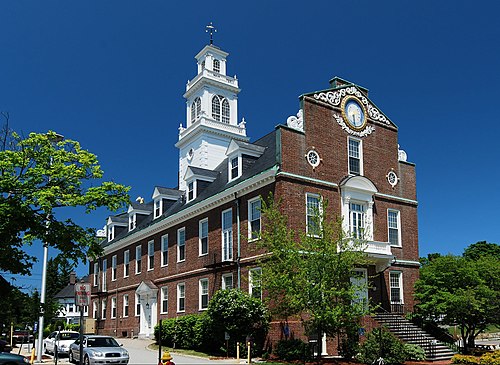
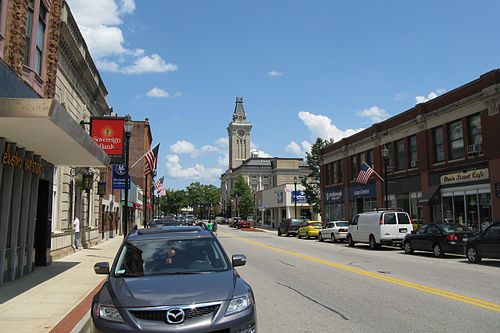
Major cities in Massachusetts.

Explore Polar Tint franchise opportunities across Massachusetts's major metros. We serve these markets and their surrounding submarkets.

Photo credits

City photos via Wikimedia Commons:

Why consider Polar Tint

Six service lines from one shop.

Polar Tint was built by operators around one shop that runs six service lines. To compare franchises, read each one’s FDD Item 7 side by side.

The investment, disclosed

Total initial investment of $136,588–$259,950 (FDD Item 7), including the initial franchise fee and about three months of additional funds. A franchisee must offer all six service lines (FDD Item 16) from a shop with one bay or more.

Veteran discount, SBA listing & training

25% off the initial franchise fee for honorably discharged veterans and first responders (FDD Item 5). Polar Tint is listed on the SBA Franchise Directory (the listing is not an SBA endorsement), so qualified buyers can apply for SBA 7(a) financing through a lender. Polar Tint does not provide financing (FDD Item 10). And hands-on training before you open.

MA territory inquiry

Request info for your market.

  • → Territory availability for your exact zip code
  • → The FDD Item 7 investment breakdown
  • → Financing paths — SBA 7(a), ROBS, conventional
  • → The conversion path if you already run a shop

By providing your phone number, you consent to calls/texts from Polar Tint Franchise, including by autodialer. Msg & data rates may apply. Reply STOP to opt out.

Ready now? Apply for MA →

Apply for MA Call

Quick answer

What does a Polar Tint franchise in Massachusetts involve?

A Polar Tint franchise in Massachusetts is a window film, ceramic coating, and paint protection (PPF) shop that can run from one bay or more, depending on your market. One owner runs six service lines from it. You get a Designated Territory that is protected but not exclusive (FDD Item 12) and hands-on training. Polar Tint is listed on the SBA Franchise Directory (the listing is not an SBA endorsement), so qualified buyers can apply for SBA 7(a) financing through a lender. Polar Tint does not provide financing (FDD Item 10).

It is among the lower-cost ways into the window tint business. The total initial investment is $136,588–$259,950 (FDD Item 7); compare it with the Item 7 of each brand you are considering. Polar Tint is listed on the SBA Franchise Directory (the listing is not an SBA endorsement), so qualified buyers can apply for SBA 7(a) financing through a lender. Polar Tint does not provide financing (FDD Item 10).

Is it open? Yes. Massachusetts is open for franchise development right now. Polar Tint awards territories to qualified applicants. The application takes under 60 seconds. The development team replies within one business day.

  • 📊 Total initial investment: $136,588–$259,950 (FDD Item 7, 2026 FDD)
  • 🪙 Initial franchise fee: disclosed in FDD Item 5 (with a reduced fee for converting an existing tint shop)
  • 🔁 Royalty: a percentage of gross sales, paid weekly (FDD Item 6)
  • 📅 Initial term: 5 years (2026 FDD)
  • 🇺🇸 Veteran / first-responder discount: 25% off the initial franchise fee
  • 📍 Metros open in Massachusetts: Boston, North Shore, South Shore, MetroWest, Worcester, Springfield, Cape & Islands, Merrimack Valley, New Bedford, Dorchester, and 76 more

Polar Tint is a national window film, ceramic coating, and PPF franchise. See the national window tint franchise overview — the model, the six service lines, and how Designated Territories are awarded. Comparing brands? See how Polar Tint ranks among the best window tint franchises and the full window tint franchise cost breakdown.

State compliance

Massachusetts — what the state requires.

No state filing

No state notice or registration requirement. Under the FTC Franchise Rule, you must receive the FDD at least 14 calendar days before you sign a binding agreement with, or make any payment to, Polar Tint or an affiliate.

The network behind the award

A running system, not a concept.

Polar Tint is operator-built. It is built on affiliate Las Vegas tint shops that have operated since 2015 (as Pro Tint USA). A Massachusetts franchisee would open with the same playbook, suppliers, and install standards.

Affiliated manufacturer Glacier Manufacturing is under common ownership with Polar Tint’s principals. Franchisees buy window film, application tools and other designated shop items from affiliated manufacturer Glacier Manufacturing, currently the exclusive supplier of those items under FDD Item 8. Qualified buyers can request the current Franchise Disclosure Document. It covers outlets, obligations, and all.

Still reading? Massachusetts territories are open for award. The development team can tell you about yours specifically.

Request info

A franchise offer is only ever made through a Franchise Disclosure Document.

How territories work

How does a Polar Tint territory work in Massachusetts?

How big is the territory?

Each award is a Designated Territory mapped around your shop. FDD Item 12 describes the typical size: a population cap or a radius cap, whichever is smaller. So the math fits the market:

  • Dense Massachusetts metros get a more compact zone.
  • Suburban and rural markets get a larger one.
  • Boundaries are set at award and written into your franchise agreement.
  • The Designated Territory is protected, not exclusive (FDD Item 12), and protection applies during the term while you are not in default.

Will another Polar Tint shop open next to mine?

Not inside your territory, with limits. While your franchise agreement is in effect and you are not in default, Polar Tint will not open a Polar Tint franchise inside your Designated Territory. It will not let another franchisee open one there either (FDD Item 12). The territory is not exclusive. Polar Tint can still award franchises at non-traditional sites inside it, such as airports, hotels, and college campuses. Shops can also open anywhere outside your boundary.

Can I open more Massachusetts locations later?

Possibly, with a new agreement and Polar Tint's approval. Your franchise agreement covers one Designated Territory. It grants no option or right of first refusal on more franchises (FDD Item 12). Each added Massachusetts shop needs its own franchise agreement, signed on its own or under a Multi-Unit Development Agreement. You also need to meet Polar Tint's then-current site, territory, and franchisee requirements.

Window tint law

What are the window tint laws in Massachusetts?

Massachusetts General Laws c. 90, §9D bars driving a vehicle with sunscreen material, window application, or reflective or nonreflective film that makes any of these nontransparent or obscured: the windshield, the side windows next to the driver and front passenger, the side windows directly behind them, or the rear window. The section then lists exceptions.

Exception (4) allows sunscreen material or window application on those side windows and the rear window if it has "a total visible light reflectance of not more than thirty-five per cent or a visible light transmittance of not less than thirty-five per cent," as the statute words it. Rear-window tint also requires two outside mirrors, one on each side, adjusted to give the driver a clear view of the highway behind.

The RMV inspection rule, 540 CMR 4.04(8)(g), does not give a percentage for these windows. It accepts aftermarket tint that does not change their transparency beyond the federal glazing standard, FMVSS 205 (49 CFR 571.205). Inspection stations other than motorcycle and fleet stations must have a registry-approved tint meter (540 CMR 4.08(2)(g)).

In its June 2023 Inspection Update, the Massachusetts Vehicle Check inspection program told inspectors to reject aftermarket tint on these windows that reads below 35 percent on a tint meter.

On the windshield, exception (5) allows transparent material limited to the uppermost 6 inches, provided it does not reach into the driver's direct forward viewing area as federal safety standards define it. 540 CMR 4.04(8)(g) allows windshield tint only down to the AS-1 line, which it says is usually within the uppermost six inches. There is no separate SUV, van or pickup limit.

The exemptions are: factory glass meeting FMVSS 205 (exception (1)); the side windows behind the front seats and the rear window of a private passenger vehicle registered and hired for public livery, but not a taxicab (exception (7)); vehicles registered in another state, territory, country or province (exception (6)); and vehicles of law-enforcement agencies, licensed watch-guard or patrol agencies, and college, university and hospital police agencies using K-9 teams on duty, if the vehicle has two outside mirrors (exception (3)).

The inspection rule lists K-9 transport vehicles, vehicles registered to law-enforcement agencies and vehicles registered to licensed watch-guard or patrol agencies as separate exemptions.

Under exception (8), the owner or operator of a private passenger vehicle who is determined to be light- or photosensitive may apply in writing to the medical advisory board created in the registry by c. 90, §8C. The application needs a written attestation from a physician licensed in Massachusetts. If the board grants the exemption, the registrar issues a sticker that goes on the side window next to the driver.

The RMV calls this a Tinted Glass Waiver. According to its waiver page, the original application goes to RMV Medical Affairs, and a waiver allows extra tint on the front side, rear side and rear windows only, not on the windshield below the AS-1 line. Waivers issued after January 16, 2025 come with a new registration marked "Vehicle with Tinted Glass Waiver."

A plain-language summary of the statute text, checked against the source in September 2026. Tint law is amended from time to time and enforcement varies; confirm the current statute before quoting a customer. This is general information, not legal advice.

Every Polar Tint territory

Explore window tint franchise territories in every state:

See the full territory map →

Polar Tint Franchise in Massachusetts — what you need to know

Quick answer: Polar Tint is awarding window film, ceramic coating, and paint protection (PPF) franchise territories in Massachusetts.

The total initial investment is disclosed in FDD Item 7; compare it with the Item 7 of each brand you are considering. A franchisee must offer all six service lines (FDD Item 16) from a shop with one bay or more, typically 2,000–2,500 sq ft (FDD Item 7).

The franchise fee and the weekly royalty are disclosed in the current FDD (Items 5 and 6). Polar Tint is listed on the SBA Franchise Directory (the listing is not an SBA endorsement), so qualified buyers can apply for SBA 7(a) financing through a lender. Polar Tint does not provide financing (FDD Item 10).

Does Massachusetts require a state filing?

No state notice or registration requirement. Under the FTC Franchise Rule, you must receive the FDD at least 14 calendar days before you sign a binding agreement with, or make any payment to, Polar Tint or an affiliate.

Which Massachusetts metros is Polar Tint awarding in?

Massachusetts has 86 metros listed below. Each award is a Designated Territory mapped around the shop. FDD Item 12 sets its size, using a population cap and a radius cap, whichever is smaller. The boundary is written into the franchise agreement from day one.

  • Boston — submarkets include Cambridge, Newton, Brookline, Quincy, Somerville, Waltham, Wellesley, Needham, Lexington, Belmont, Watertown, Arlington, Medford, Malden, Revere, Chelsea, Everett, Winthrop, Milton, Dedham, Norwood, Westwood, Weston, Concord, Lincoln, Sudbury, Wayland, Natick, Framingham, Ashland, Hopkinton, Sherborn.
  • North Shore — submarkets include Salem, Beverly, Peabody, Danvers, Lynn, Saugus, Marblehead, Swampscott, Manchester-by-the-Sea, Gloucester, Rockport, Ipswich, Hamilton, Wenham.
  • South Shore — submarkets include Hingham, Cohasset, Scituate, Marshfield, Duxbury, Plymouth, Norwell, Pembroke, Hanover, Rockland, Braintree, Weymouth, Randolph, Stoughton.
  • MetroWest — submarkets include Marlborough, Westborough, Northborough, Southborough, Hopkinton, Holliston, Medway, Millis, Franklin, Wrentham.
  • Worcester — submarkets include Shrewsbury, Westborough, Auburn, Holden, Grafton, Northbridge, Sutton, Millbury, Sturbridge, Spencer, Leicester.
  • Springfield — submarkets include West Springfield, Chicopee, Holyoke, Longmeadow, East Longmeadow, Wilbraham, Ludlow, Agawam, Westfield.
  • Cape & Islands — submarkets include Falmouth, Hyannis, Barnstable, Mashpee, Sandwich, Bourne, Yarmouth, Dennis, Chatham, Orleans, Martha's Vineyard, Nantucket.
  • Merrimack Valley — submarkets include Andover, North Andover, Lawrence, Methuen, Haverhill, Tewksbury, Wilmington, Reading, North Reading, Lowell, Chelmsford, Westford.
  • New Bedford — submarkets include North End, South End, West End, Acushnet Heights.
  • Dorchester — submarkets include Ashmont, Fields Corner, Uphams Corner, Codman Square, Neponset, Savin Hill, Lower Mills.
  • Brockton — submarkets include Montello, Campello, South Street Historic District, Centre and Montello Streets Historic District.
  • Quincy — submarkets include Wollaston, Quincy Center, North Quincy, Squantum, Marina Bay, Houghs Neck, West Quincy.
  • Fall River — submarkets include The Flint, The Highlands, Corky Row, Maplewood, Globe Village.
  • Lynn — submarkets include Diamond District, West Lynn, East Lynn, Wyoma, The Highlands.
  • Newton — submarkets include Newton Centre, West Newton, Newtonville, Newton Highlands, Auburndale, Nonantum.
  • Lawrence — submarkets include Tower Hill, Prospect Hill, South Lawrence, Mount Vernon, Colonial Heights, Arlington District.
  • Somerville — submarkets include Davis Square, Union Square, Winter Hill, East Somerville, Ten Hills, Assembly Square.
  • Framingham — submarkets include Saxonville, Nobscot, Framingham Centre, Downtown Framingham, Coburnville.
  • Framingham Center — submarkets include Saxonville, Nobscot, Downtown Framingham, Coburnville, Lokerville, Pinefield.
  • Haverhill — submarkets include Bradford, Rocks Village, Ayers Village, Riverside, Highlands.
  • Waltham — submarkets include Piety Corner, Warrendale, Lakeview, The Bleachery, The Highlands.
  • Malden — submarkets include Maplewood, Linden, Edgeworth, Bellrock, Forestdale, West End.
  • Brookline — submarkets include Coolidge Corner, Brookline Village, Washington Square, Longwood, Fisher Hill, Chestnut Hill.
  • Chicopee — submarkets include Chicopee Center, Chicopee Falls, Willimansett, Aldenville, Fairview.
  • North Chicopee — submarkets include Willimansett, Fairview, Aldenville, Chicopee Falls, Chicopee Center.
  • Taunton — submarkets include Whittenton, Weir Village, East Taunton, Oakland, Westville, North Taunton.
  • Medford — submarkets include Medford Square, West Medford, South Medford, Medford Hillside, Wellington, Glenwood.
  • Weymouth — submarkets include North Weymouth, East Weymouth, South Weymouth, Weymouth Landing, Columbian Square, Jackson Square.
  • Peabody — submarkets include West Peabody, South Peabody, Peabody Square, Proctor.
  • Revere — submarkets include Beachmont, Point of Pines, Oak Island, Shirley Avenue, West Revere, Broadway.
  • Methuen — submarkets include Downtown Methuen, Arlington, Marsh Corner.
  • South Peabody — submarkets include West Peabody, Peabody Square, Lynnfield, Lynn, Salem.
  • Barnstable — submarkets include Hyannis, Centerville, Osterville, Cotuit, Marstons Mills, West Barnstable.
  • Brighton — submarkets include Brighton Center, Oak Square, Cleveland Circle, Aberdeen.
  • Everett — submarkets include Glendale, Woodlawn, Everett Square.
  • Attleboro — submarkets include South Attleboro, Dodgeville, Hebronville, Briggs Corner, Downtown Attleboro.
  • Arlington — submarkets include East Arlington, Arlington Center, Arlington Heights, Jason Heights, Morningside, Kelwyn Manor.
  • Salem — submarkets include The Point, Salem Common, Bridge Street Neck, Salem Willows, South Salem, Gallows Hill.
  • East Boston — submarkets include Eagle Hill, Jeffries Point, Orient Heights, Maverick Square, Day Square, Harbor View.
  • Pittsfield — submarkets include Morningside, West Side, Downtown Pittsfield, Coltsville, Allendale.
  • Leominster — submarkets include French Hill, North Leominster, Monument Square, Morse Hollow, Rice Hill.
  • Westfield — submarkets include Westfield Center, Wyben, Mundale, Little River, Hampton Ponds.
  • Fitchburg — submarkets include Cleghorn, West Fitchburg, South Fitchburg, North Fitchburg, Downtown Fitchburg.
  • Holyoke — submarkets include Churchill, The Flats, South Holyoke, Springdale, Oakdale, Elmwood.
  • Beverly — submarkets include Ryal Side, North Beverly, Centerville, Montserrat, Beverly Farms, Prides Crossing.
  • Woburn — submarkets include North Woburn, East Woburn, Woburn Center, Cummingsville, Walnut Hill.
  • Marlborough — submarkets include French Hill, Downtown Village, West Main Street Historic District.
  • Amherst — submarkets include Amherst Center, North Amherst, South Amherst, East Village, Cushman.
  • Billerica — submarkets include Town Center, North Billerica, East Billerica, West Billerica, Pinehurst, Nutting Lake.
  • Beverly Cove — submarkets include Prides Crossing, Beverly Farms, Montserrat, Centerville, North Beverly, Manchester-by-the-Sea.
  • Chelsea — submarkets include Admiral's Hill, Bellingham Square, Box District, Prattville, Mill Hill, Addison-Orange.
  • Braintree — submarkets include East Braintree, South Braintree, Braintree Highlands, Braintree Square, Weymouth Landing.
  • Mattapan — submarkets include Mattapan Square, Wellington Hill, Lower Mills, Dorchester, Hyde Park, Milton.
  • Shrewsbury — submarkets include Shrewsbury Center, Edgemere, Fairlawn, White City.
  • Chelmsford — submarkets include North Chelmsford, West Chelmsford, South Chelmsford, East Chelmsford, Westlands, Vinal Square.
  • Hyde Park — submarkets include Cleary Square, Logan Square, Readville, Fairmount Hill, Sunnyside, Clarendon Hills.
  • Watertown — submarkets include Watertown Square, Coolidge Square, East Watertown, Bemis, West End.
  • Randolph — submarkets include Crawford Square, North Randolph, West Corners.
  • Natick — submarkets include Natick Center, South Natick, West Natick, Felchville, Morseville, Lokerville.
  • Franklin — submarkets include Downtown Franklin, Unionville, Wadsworth, Brushwood, Acorn Terrace.
  • Lexington — submarkets include East Lexington, Meriam Hill, Munroe Hill, Six Moon Hill, Peacock Farm, Five Fields.
  • Gloucester — submarkets include Annisquam, Lanesville, Bay View, East Gloucester, West Gloucester, Magnolia, The Fort.
  • Ashmont — submarkets include Peabody Square, Ashmont Hill, Ashmont-Adams, Cedar Grove, Lower Mills, Codman Square.
  • West Roxbury — submarkets include Bellevue Hill, Highland, Charles River/Spring Valley, West Roxbury Village.
  • Norwood — submarkets include South Norwood, Downtown Norwood, Germantown, Cork City, Dublin, Swedeville.
  • Agawam — submarkets include Feeding Hills, Agawam Center, North Agawam, West Agawam, Hubbard Corner, O'Briens Corner.
  • Allston — submarkets include Allston Village, Lower Allston, Packard's Corner, Union Square, Barry's Corner.
  • Dracut — submarkets include Collinsville, Navy Yard, Kenwood, Dracut Center, East Dracut.
  • Needham — submarkets include Needham Center, Needham Heights, Needham Junction, Birds Hill, Charles River Village, McIntosh Corner.
  • Tewksbury — submarkets include Tewksbury Center, North Tewksbury, South Tewksbury, Wamesit, Tewksbury Junction, Silver Lake.
  • Roslindale — submarkets include Roslindale Village, Metropolitan Hill, Prospect Hill, Longfellow Area, Mount Hope-Canterbury.
  • West Springfield — submarkets include Merrick, Mittineague, Tatham, Ashleyville, Amostown, Memorial.
  • Northampton — submarkets include Florence, Leeds, Bay State Village, Downtown Northampton, Village Hill.
  • Wellesley — submarkets include Wellesley Square, Wellesley Hills, Wellesley Farms, Babson Park, Wellesley Lower Falls, Wellesley Fells.
  • Melrose — submarkets include Melrose Highlands, Wyoming (Wyoming Hill), Cedar Park, Downtown Melrose, East Side.
  • North Andover — submarkets include Old Center, Machine Shop Village, Tavern Acres, Downtown North Andover.
  • Milton — submarkets include East Milton, Milton Village, Milton Hill, Brush Hill, Milton Centre, Scott's Woods.
  • Saugus — submarkets include Cliftondale, East Saugus, Saugus Center, North Saugus, Lynnhurst, Golden Hills.
  • Stoughton — submarkets include Stoughton Center, West Stoughton, North Stoughton, Dry Pond, Belcher's Corner.
  • Danvers — submarkets include Danversport, Danvers Center, Tapleyville, Putnamville, Hathorne, Burley's Corner.
  • Dedham — submarkets include East Dedham, Oakdale, Riverdale, Greenlodge, The Manor, Precinct One.
  • Belmont — submarkets include Belmont Center, Belmont Hill, Waverley, Cushing Square, Payson Park, Belmont Park.
  • Reading — submarkets include Reading Highlands, Common Historic District, Woburn Street Historic District, Summer Avenue Historic District, West Street Historic District.
  • Wakefield — submarkets include Greenwood, Montrose, Woodville, West Side, Lakeside, Wakefield Square.
  • Milford — submarkets include Downtown Milford, The Plains, Prospect Heights, North Milford.
  • Yarmouth — submarkets include Yarmouth Port, West Yarmouth, South Yarmouth, Bass River.

How much of Massachusetts does a shop cover?

Each shop serves a Designated Territory set at award under FDD Item 12. Apply with your zip code and the development team confirms fit within one business day.

What does a Polar Tint franchise in Massachusetts include?

  • Defined supply terms. Required purchases and approved suppliers, including affiliated manufacturer Glacier Manufacturing, are disclosed in FDD Item 8.
  • Six service lines from one bay or more. One shop offers window tint, PPF, ceramic, commercial film, residential film, and wraps, and a franchisee must offer all approved services (FDD Item 16).
  • SBA Franchise Directory listing. Polar Tint is listed on the SBA Franchise Directory (the listing is not an SBA endorsement), so qualified buyers can apply for SBA 7(a) financing through a lender. Polar Tint does not provide financing (FDD Item 10).
  • Built on affiliate-owned shops. The system grew out of two affiliate-owned Las Vegas-area tint shops operating since 2015 (as Pro Tint USA), which FDD Item 1 describes as similar to the franchise being offered.
  • A Designated Territory. Each Designated Territory is protected but not exclusive: while the franchise agreement is in effect and you are not in default, Polar Tint will not open or franchise another Polar Tint location inside it, subject to the rights Polar Tint reserves (FDD Item 12).

How do I apply for Massachusetts territory?

Polar Tint awards territories to qualified applicants. The application takes under 60 seconds. The development team replies within one business day.

Apply for Massachusetts territory   See the investment components

FAQ

Polar Tint Franchise in Massachusetts — common questions

Is Polar Tint awarding franchises in Massachusetts?

Yes. Massachusetts is currently open for Polar Tint franchise development. Request info at polartintfranchise.com/apply with your specific zip code, and the development team confirms which areas are still open.

Does Polar Tint need a state filing to sell franchises in Massachusetts?

No state notice or registration requirement. Under the FTC Franchise Rule, you must receive the FDD at least 14 calendar days before you sign a binding agreement with, or make any payment to, Polar Tint or an affiliate. Polar Tint is actively awarding territories in Massachusetts.

How many states is Polar Tint currently open in?

Polar Tint is currently awarding franchises in 31 US states. Massachusetts is one of those open states. The complete map is at polartintfranchise.com/territory.

How much does a Polar Tint franchise cost in Massachusetts?

The estimated initial investment in Massachusetts is disclosed in FDD Item 7. That covers the franchise fee, build-out, equipment, opening inventory, training, and about three months of additional funds. Item 7 gives one estimate for every state, based on an affiliate-owned tint business in Nevada. Your actual costs in Massachusetts may differ from that estimate.

Reasons include local rent, labor, construction, and licensing costs, state building codes, and the approved location you select. The other factors are listed in FDD Item 7, Notes 5 and 12.

What is the franchise fee for a Massachusetts Polar Tint shop?

The initial franchise fee for a new Massachusetts shop is disclosed in FDD Item 5. If you currently own an auto tint shop and Polar Tint grants you the right to convert it, you pay a reduced initial franchise fee (FDD Item 5; Franchise Agreement §5.1). Honorably discharged veterans and first responders receive 25% off the initial franchise fee (FDD Item 5).

Is the SBA-loan path available for Massachusetts franchisees?

Yes. Polar Tint is listed on the SBA Franchise Directory (the listing is not an SBA endorsement), so qualified buyers can apply for SBA 7(a) financing through a lender. Polar Tint does not provide financing (FDD Item 10). Borrower eligibility, approval, terms, and timing are determined by the SBA and your lender, not by Polar Tint. Polar Tint does not offer or guarantee financing (FDD Item 10).

What's the royalty and ongoing fees for a Massachusetts Polar Tint shop?

The royalty is charged weekly on gross sales via ACH. A Brand Marketing Fund Contribution also applies; Polar Tint administers the fund (FDD Items 6 and 11). So does a flat monthly technology fee, which covers the website, marketing portal, Google Workspace, accounting, and plotter software. A local-marketing minimum set in FDD Item 6 applies too. All recurring fees apply uniformly across states, including Massachusetts. Exact figures are disclosed in FDD Items 5 and 6.

How long is the franchise term in Massachusetts?

The term length and renewal requirements are set out in FDD Item 17; the term is renewable only if you meet Polar Tint's conditions for renewal.

Which Massachusetts metros is Polar Tint focused on?

Polar Tint is currently awarding territories in 86 Massachusetts metros: Boston, North Shore, South Shore, MetroWest, Worcester, Springfield, Cape & Islands, Merrimack Valley, New Bedford, Dorchester, and 76 more. Each award is a Designated Territory mapped around the shop per FDD Item 12.

What if my preferred Massachusetts city is already taken?

Larger Massachusetts metros can hold more than one Designated Territory. That's because a typical Designated Territory is the lesser of a population count and a radius (FDD Item 12). If a specific area is already awarded, the development team can walk you through other open areas in Boston, North Shore, South Shore, MetroWest. Polar Tint approves each site and territory against its then-current criteria.

How is a Massachusetts Polar Tint territory defined?

Each Massachusetts award is a Designated Territory mapped around the shop. It is typically sized by the population-and-radius cap in FDD Item 12, the lesser of the two. So denser metros yield more compact zones, while suburban and rural markets yield larger ones. Polar Tint sets the boundaries after your site is approved, which can be after you sign, and records them in Schedule 1 of your franchise agreement.

The territory is not exclusive. While you are not in default, Polar Tint will not open or franchise another Polar Tint location inside it, subject to the rights it reserves in FDD Item 12.

Can I operate multiple Polar Tint locations in Massachusetts?

Yes, with Polar Tint's approval. Each added shop needs its own franchise agreement. It can be signed on its own or under a Multi-Unit Development Agreement. That agreement sets a development schedule for a defined Development Area and a development fee for each additional unit (FDD Items 5 and 12). A single-unit agreement grants no right of first refusal on additional franchises (FDD Item 12).

What shapes demand for window film and ceramic coating in Massachusetts?

Massachusetts has four distinct seasons, and winter roads are treated with salt and sand. Customers there may look to PPF and ceramic coating to protect paint from road salt, sand, and gravel, to window film to cut heat and glare, and to commercial window film for offices.

The FDD describes the market for Polar Tint's services as the general adult public, including vehicle owners, homeowners, and business owners, and notes that sales can be seasonal in the wintertime depending on your geographic area (FDD Item 1).

What's the typical first-year revenue for a Massachusetts Polar Tint shop?

Polar Tint does not state a typical first-year revenue for any market. Its financial performance representations are disclosed in Item 19 of the current FDD. They cover the two affiliate-owned Las Vegas shops, and your results may differ. The figures appear only in Item 19 of the FDD.

How long does it take to open a Polar Tint shop in Massachusetts?

Opening timelines vary by build-out scope and local permitting. Operator training (65 hours — 40 classroom plus 25 on-the-job, per FDD Item 11) runs alongside build-out. Your development contact can walk through a market-specific estimate.

What's the supplier relationship for Massachusetts franchisees?

Franchisees buy window film, application tools and other designated shop items from affiliated manufacturer Glacier Manufacturing, currently the exclusive supplier of those items under FDD Item 8.

Where does training happen for Massachusetts Polar Tint operators?

Per FDD Item 11, training is delivered at our Henderson, NV HQ, virtually, or another location we designate. The initial program is 65 hours total — 40 classroom hours plus 25 on-the-job hours — over an approximate one-week period. Travel and lodging during any in-person portion are budgeted into FDD Item 7.

What ongoing support does Polar Tint provide Massachusetts franchisees?

Polar Tint's pre-opening, opening, and ongoing support obligations are described in FDD Item 11. Massachusetts operators receive local marketing services through affiliate Frostbite Marketing.

Is there a veteran or first-responder discount for Massachusetts applicants?

Yes. Polar Tint takes 25% off the initial franchise fee disclosed in FDD Item 5. The discount is for honorably discharged US military veterans and first responders. This applies in every state, including Massachusetts. SBA fee relief, if any, is set by the SBA and the lender, not by Polar Tint.

How does Polar Tint compare to other window-tint franchises in Massachusetts?

Polar Tint's model in Massachusetts rests on two structural features. First, six service lines from one bay or more (tint, PPF, ceramic, commercial film, residential film, and wraps), all of which a franchisee must offer (FDD Item 16). Second, a listing on the SBA Franchise Directory (not an SBA endorsement).

Should I just open an independent tint shop in Massachusetts instead of franchising?

It depends on your capital position and how much of the business you want to build yourself. An independent shop skips the initial franchise fee and the ongoing royalty and builds its own brand and systems. A Polar Tint franchisee pays the fees disclosed in FDD Items 5 and 6 and follows the Operations Manual. Compare the full cost of each path with your own accountant; Polar Tint's estimated initial investment is in FDD Item 7.

Can I sell my Massachusetts Polar Tint franchise later?

Yes, subject to Polar Tint LLC approval of the buyer per FDD Item 17 (background check, financial qualification, training completion). A transfer fee applies. Polar Tint maintains a right of first refusal on transfers to outside buyers. Resale value depends on the individual shop's own operating history and the buyer pool at the time of sale.

How do I apply for a Massachusetts Polar Tint franchise?

Request info at polartintfranchise.com/apply with your zip code, capital position, and prior business experience. From there: a discovery call, FDD delivery (you must receive it at least 14 calendar days before you sign a binding agreement with, or make any payment to, Polar Tint or an affiliate), and signing.

Call Apply for territory